• Decrease font size
  • Reset font size to default
  • Increase font size

Language

English Welsh
Home
AWEL AMAN TAWE PDF Print E-mail

Community Energy

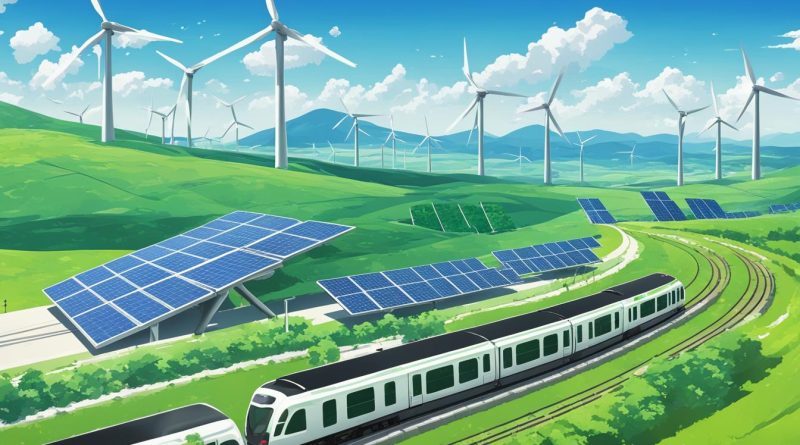
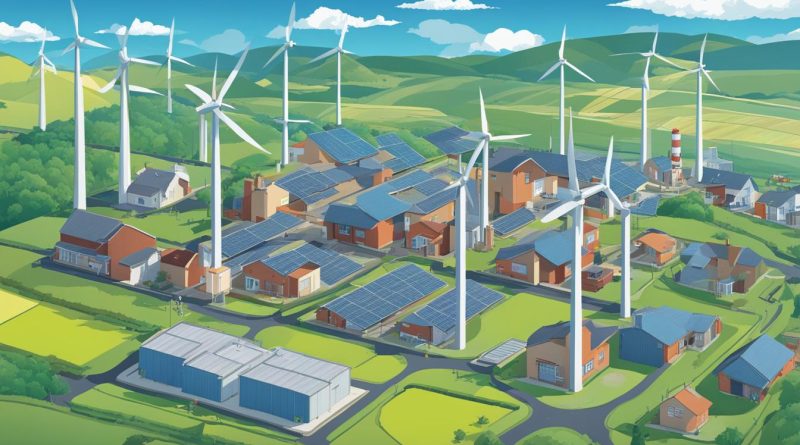
Awel Aman Tawe is a community energy charity in South Wales. Its objects are:  

  • To advance the education of the public, in particular but not exclusively in energy efficiency and renewable resources for the public benefit;
  • The preservation and conservation of the environment through the promotion and use of renewable energy and energy saving measures;
  • The relief of poverty; ·To conduct research and development relating to the utilisation of energy conservation practices and renewable energy technologies and to use the research for the public benefit;
  • To provide or assist in the provisions of recreational facilities in the interests of social welfare with a view to advancing education and improving the conditions of life for those for whom the facilities are primarily intended;
  • The relief of unemployment for the public benefit, in particular but not exclusively by the provision of advice, training and support for the unemployed;
  • The relief of sickness and the preservation and protection of good health among people residing permanently or temporarily in South Wales and further afield; and
  • Such other charitable purposes as may from time to time be determined.    

Background

Awel Aman Tawe grew out of suggestions at a Local Agenda 21 public meeting in September 1998. In 2000-1, Awel Aman Tawe undertook a year of consultation about a community wind farm from which all profits from the sale of electricity would be used to fund local regeneration initiatives. The consultation generated huge interest. In March 2001, an independent referendum was held. The turnout was 48.5%, higher than the General Election in some areas. A majority voted in favour of the wind farm going ahead.  

During the consultation, local people emphasised the importance of energy efficiency and other forms of renewables. The project has therefore broadened to include both aspects.   Its key aims as a community energy project are to:

  1. Generate clean power and heat from renewable sources
  2. Reduce local energy costs and create warmer homes
  3. Develop local skills and create employment


Project Sustainability

  • Environmental:AAT addresses the environmental damage caused by the burning of fossil fuels. It adopts an integrated strategy through a) promoting, supporting and developing local renewable energy systems, b) advising local residents about energy conservation and energy efficiency measures within their homes and work places and c) supporting and advising other communities on how to develop Community Energy Schemes.
  • Financial: a key component of the project is to develop a small community owned wind farm. The sale of this energy will generate substantial amounts of money for use on community regeneration activities. The project will rely on donor input until the wind farm is constructed. ·Social: AAT is committed to developing a project that is socially acceptable. It allocates time and money for incorporating consultative and participative processes throughout the project. Furthermore, it is underpinned by a capacity building approach which values local training, employment and volunteering opportunities in every aspect of its work. In this way, skills and money are retained in the area along with increased confidence and pride.  


AAT's underlying principles

AAT is underpinned by five key factors:  

Sustainable development: the project contributes to the process of community regeneration and greater energy awareness. It addresses environmental, economic and social sustainability. Furthermore, it combines, in an innovative way, two key components of the sustainable development agenda (development of sustainable energy practices and an inclusive approach to community development).  

Participation and community involvement: The project is people-centred. It recognises the value of local participation in a local project, particularly associated with capacity building and community pride. It is committed to involving a broad range of people, and therefore allocates costs to the budget and time to the schedule to facilitate this involvement.  

Capacity building: AAT acknowledges that attention to building the capacity of local men and women ensures the greatest likelihood of sustainability. Local people are involved in every stage of the development of the community energy scheme and are offered training and support. People have different skills, knowledge and experiences to bring to the project and are therefore drawn in through a variety of different approaches. By liaising with appropriate organisations and institutions at the local (e.g. community groups), regional (e.g. local authority) and national levels (National Assembly), AAT helps to open up as many opportunities as possible for local people.  

LA21: Think Globally, Act Locally: AAT promotes the idea that by acting at a local level, global issues can be addressed and a substantial impact can be made. Addressing environmental, social and economic issues, AAT contributes to a variety of Local Agenda 21 objectives. Furthermore, the project aims to promote the idea of community energy schemes as a potential key component within LA21 and to work with LA21 officers to develop the idea further.


Last Updated on Wednesday, 27 January 2010 16:11